LIBE 477 Part A Blog#1:
Issue, Personal Interest, or Opportunity Identification and Keyword Generator
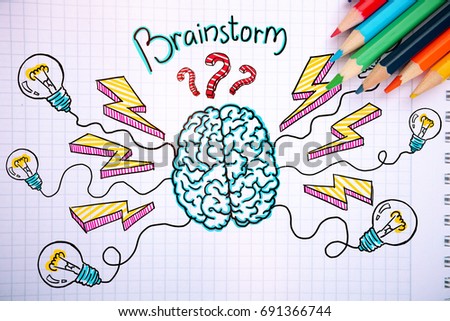
Brainstorming
Keywords and Learning Topics:
A
closer look at ADST & Technology in the Library Learning Commons

Click here for image citation
~ The ability to design, make, acquire, and apply
skills and technologies is important in the world today and key in the
education of citizens for the future.~
Taking a closer look into the Applied Design, Skills
Technologies curriculum is a goal for me this year. I have attended district
learning sessions around ADST and am excited about the possibilities, yet I
still struggle with how to best support teachers in this area.
Considering that it is an important and broad topic, and
encompasses so many areas, a multitude of key words quickly generated for me: makerspace,
coding, STEM, web 2.0 tools, digital literacy, inquiry…
These are all important and
interrelated components of ADST and the Library Learning commons (LLC), and
these are all areas that I am trying to learn more about and develop throughout
the year. But, it is not always easy to implement all of these at the same time. Many factors influence the ability
of a TL to successfully explore these areas, including: budgets, teacher
librarian time in the library (FTE), experience and comfort levels of the TL in
these distinct curricular areas, as well as the ability to effectively
collaborate with school staff to support such programs. I am fortunate enough to have a healthy
budget, support of administration, and a teaching partner who is eager to learn
and try new things.
Our district provides additional budgets for ADST (including
trades trollies and makerspace carts), as well as trained itinerant teachers to
support our work with classes. Furthermore, our school district is fairly
supportive of the LLC model in general…which all contributes to many
opportunities for us at the moment.
In our library, we are currently in the midst of trying
flexible scheduling to accommodate varying wishes of classroom teachers, while simultaneously
introducing new technologies, STEM and makerspace ideas. This has seen
varying levels of success in the past two years. I am hoping that exploring the ADST curriculum in more depth and introducing web 2.0 tools in the library will be an increased incentive for
teachers to become more enthused with new projects in the LLC, and flexible
scheduling.
Applied Design, Skills, Technologies is fairly new
curriculum. In our school, ADST is often associated with the making of something,
sometimes with the Design Thinking Model accompanying it and sometimes without.
Often, it is an itinerant teacher who collaborates and leads the projects, as
they are experts we can draw upon. It’s new to many teachers and sometimes
scary to some. There is a lot that needs to be explored. It does, however, have
its very own section in the new BC curriculum, so it is fairly easy to make a
case for its inclusion in our library programs…in fact, classroom teachers may
actually breathe a sigh of relief because
it can be included. It is a genuine reason for collaboration and exchanges of
ideas among teachers. The bottom line is that it is a BIG topic with many
possibilities. I find that some teachers are still rooted in traditional
thinking about the types of learning activities they wish for their classes in the
library. It’s a slow process for change sometimes. And perhaps one that I need
to be more vocal about.
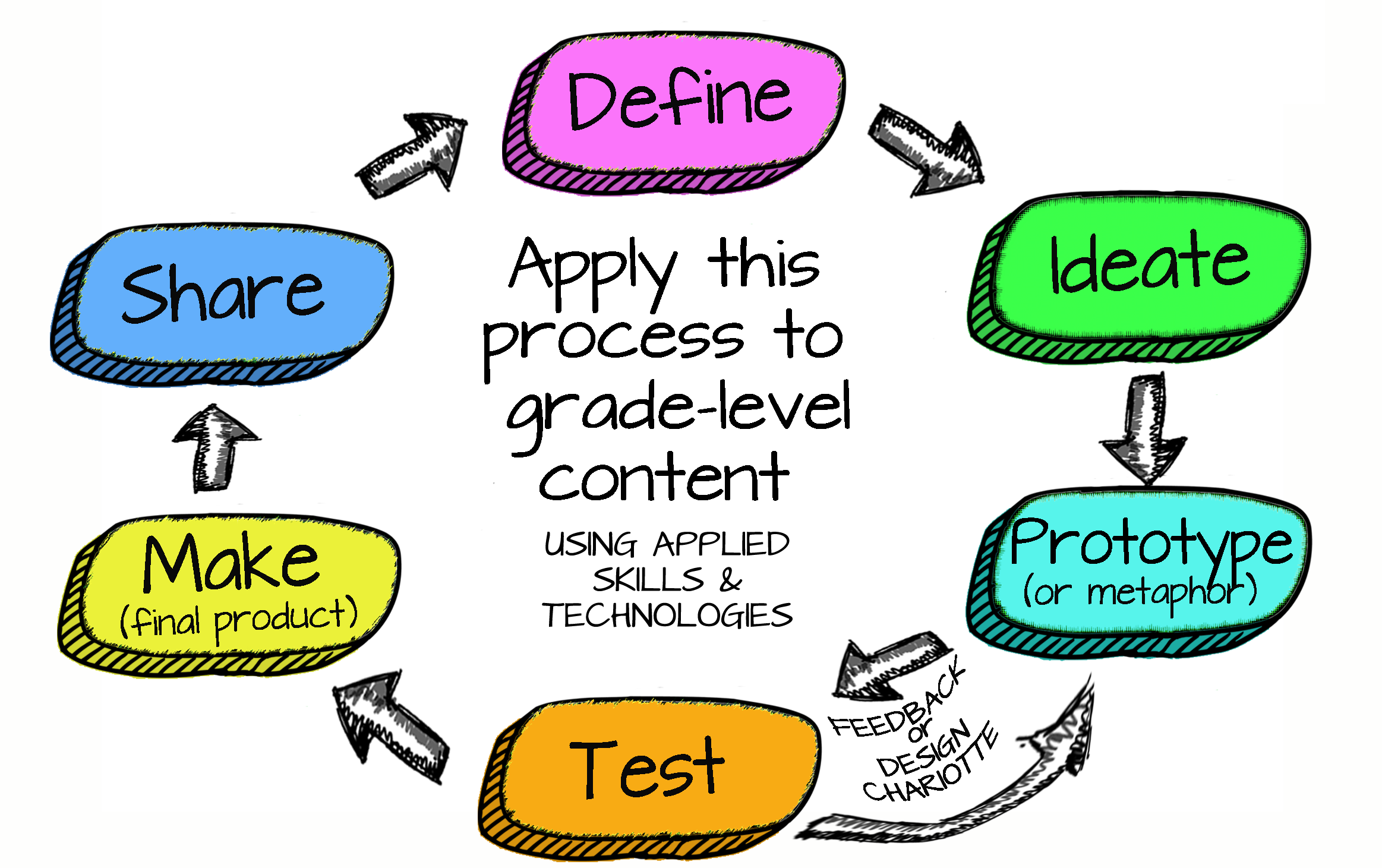
The diagram below, highlighting the Design thinking model,
is just one piece of the ADST curriculum, and is one that I am beginning to
display for our whole school population.

Click here for image citation
Nowhere is it expected that all students be proficient with Book
Creator, or be able to navigate a Padlet, or be able to create a Voki, or
operate Doink etc… The list could go on and on…
Our students, could
however, learn to easily navigate these tools, with enthusiasm (because they
are fun!) if we made them readily available
tools for learning…These could quickly become powerful tools, especially in a student-centered
environment. (I’m a fan of the “I do, we do, you do” approach).

Click here for image citation
- Technologies are tools that extend human capabilities (K-3)
- The choice of technology and tools depends on the task (4-5)
- Complex tasks may require multiple tools and technologies (6-7)
For a closer look, here is a link to the BC ADST curriculum:
When thinking of ADST and web 2.0 tools I see so much potential for student and teacher learning.
The big questions for me at this
point are:
- Do I delve into ADST more with district mentors to develop projects on a grander scale?Will this be equitable and achievable with scheduling?
- Do I fully commit to introducing and maintaining the teaching of multiple web 2.0 tools?
- Which Web 2.0 tools do I start with to ease teachers in and engage my learners in meaningful ways?
- How do I best organize the tools I select?
My initial thoughts and investigations have so far steered
me towards a deeper look into ADST, with specific web 2.0 tools. I will
continue reading, searching blogs, and networking with other teacher
librarians to narrow my focus and select resources for further inquiry.



1 Comments:
A detailed and well done brainstorm that identifies your key goals, challenges and perspectives just starting out on this inquiry based path. Your big questions will get answered eventually, but I would not worry about them too much yet, I would focus on implementing ADST lessons, design and approaches to learn as much as you can. The implementation challenges you outline will be addressed in time, but for now, just absorb and learn as much as you can about the bigger picture.
Post a Comment
Subscribe to Post Comments [Atom]
<< Home